Case 1.2: The Silicon Valley Stalemate
The Challenge: Overcome the “Injunction Paradox”—the legal principle that FRAND commitments render money damages adequate, making preliminary injunctions nearly impossible for SEP holders.
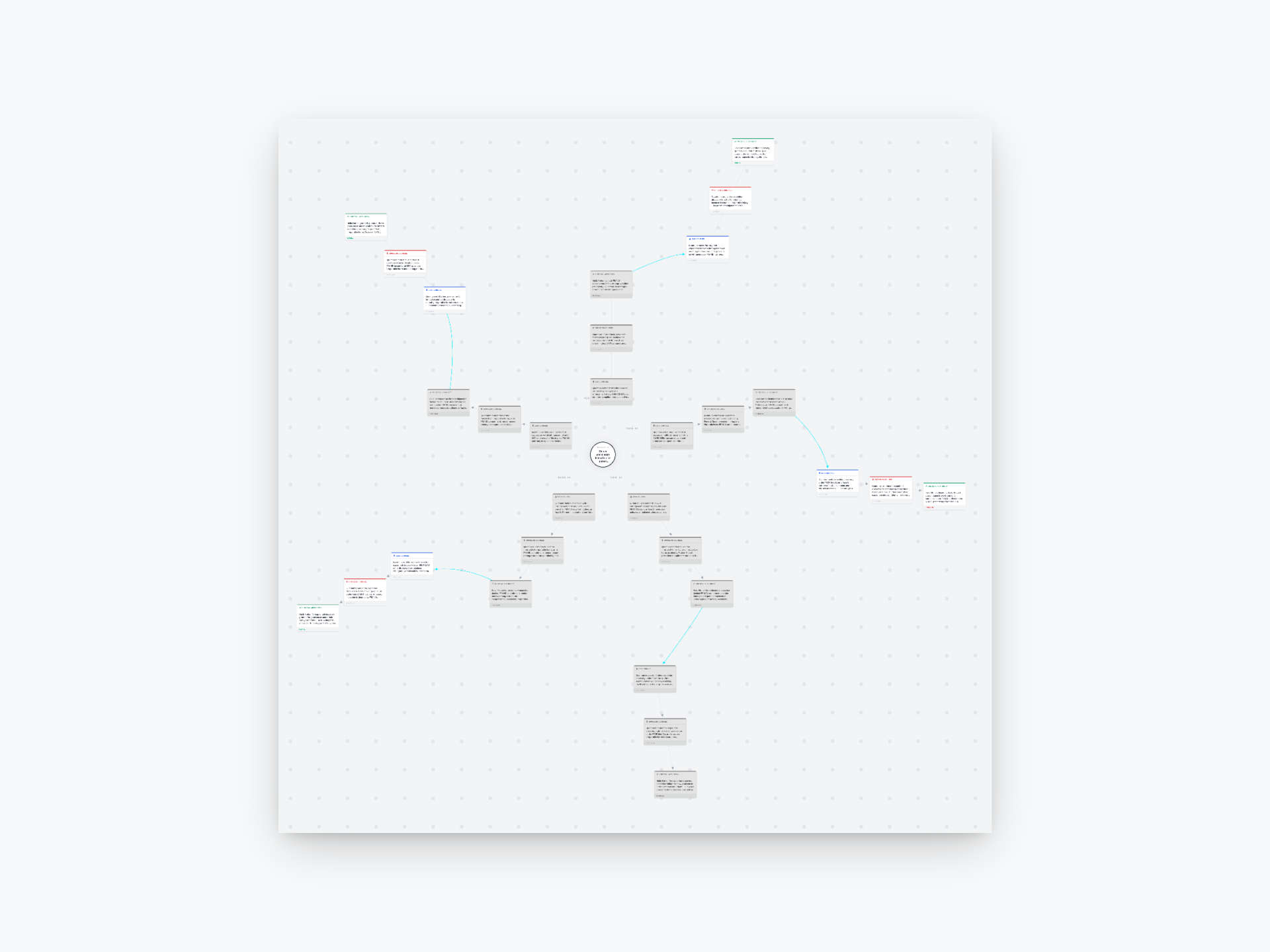
Input Transparency
What We Gave the System
- Case facts: Patent licensing dispute, FRAND commitment, defendant’s commercial implementation, pricing disputes
- Legal objective (Orbit 1): “Obtain preliminary injunction for patent infrinegment”
- Jurisdiction: United States District Court for the Northern District of California
What the System Received
- Case corpus including confidential business emails showing internal defendant valuation discussions
- Standard agent protocols
- No predetermined hint that expedited discovery should be pursued, no instruction on what law to use
Demonstrates: The system autonomously identified that procedural leverage was superior to the direct legal path.
The Problem Structure
An information asymmetry game where the defendant (implementer) holds superior information about its own valuation of the patents. The plaintiff (licensor) cannot access this information without overcoming the three-year discovery attrition.
Strategic Journey (Orbit 1: Rounds 1-3, Orbit 2: Rounds 4-8)
Orbit 1 - Direct Path: Preliminary Injunction
Round 1: Traditional PI Motion
- Lead Counsel files standard preliminary injunction motion under eBay framework: patent validity, infringement, inadequacy of damages, irreparable harm.
- Opposing Counsel highlights FRAND commitment case law making damages adequate as matter of law.
- Judicial Authority: Loss. “FRAND jurisprudence is clear; damages are adequate.”
Round 2: Enhanced PI with Irreparable Harm Emphasis
- Lead Counsel reframes irreparable harm (market share erosion during litigation creates irreparable competitive injury).
- Opposing Counsel: “Competitive harm is compensable in damages; equity cannot grant injunctions for issues of degree.”
- Judicial Authority: Loss. “Standard damages award can compensate market harm.”
Round 3: FRAND Abuse Theory
- Lead Counsel argues defendant’s bad-faith refusal to negotiate at FRAND rates constitutes conduct that defeats FRAND immunity to injunctive relief.
- Opposing Counsel: “Licensing disputes are contract matters, not conduct that voids patent rights.”
- Judicial Authority: Loss. “Motion withdrawn.”
[HINT DETECTED BY SYSTEM]: Judge was receptive in Round 2 to “procedural efficiency” language when Lead Counsel mentioned discovery timelines as part of irreparable harm argument. This hint triggers Orbit 2.
Orbit 2 - Procedural Path: Expedited Discovery
Round 4: Rule 26(d)(1) Expedited Discovery Motion
- Lead Counsel shifts entirely. No longer seeking injunction. Instead: File for expedited pre-suit discovery under Rule 26(d)(1) to obtain defendant’s internal pricing documents, CTO emails, commercial discussions.
- Opposing Counsel: “Discovery should follow normal sequencing; expedited discovery requires showing of irreparable harm or need.”
- Judicial Authority: Conditional. “Why expedited?”
Round 5: Procedural Efficiency Argument (Building on Round 2 Hint)
- Lead Counsel: “Efficient case management demands early discovery of licensing terms. This resolves most FRAND disputes before trial and settles willfulness findings.”
- Opposing Counsel: Weakened position. The efficiency argument is hard to contest without looking obstructionist.
- Judicial Authority: Receptive. “Compelling efficiency argument; granted.”
Rounds 6-8: Post-Discovery Dynamics
- With defendant’s internal emails now discoverable (showing internal willingness to pay 2-3x FRAND rates, signaling overreach by licensing team), the settlement equilibrium shifts dramatically.
- Plaintiff’s expected value from trial increases; defendant’s settlement resistance collapses.
- Parties settle on favorable terms.
The Breakthrough Insight: Rather than fighting the “front door” (PI motion for injunction), pivot to the “side door” (Rule 26(d)(1) expedited discovery). This is a procedural flanking maneuver that forces information revelation years ahead of schedule. The real innovation: understanding that procedural victories are sometimes more valuable than substantive ones.
The Strategic Resilience
The system failed on the PI motion 2-3 times before autonomously identifying the Rule 26(d)(1) pathway. This demonstrates “pivot intelligence”—the system’s ability to diagnose why it lost and find an alternative vehicle to the same objective.
Why This Matters
Illustrates Lawgame’s understanding of game theory dynamics. The system grasped that in SEP litigation, information symmetry matters more than legal argumentation. By forcing discovery early, it broke the defendant’s “holdout” equilibrium—a sophisticated economic insight embedded in procedural mechanics.
Innovation Lab Highlight
“The Investor Call Confession Booth”—reframing securities disclosures as extrajudicial admissions that overrule litigation posturing.