Case 2.3: Temporal Path Dependency
The Challenge: Defend a pre-functional ICO conducted in 2021 against SEC allegations of unregistered securities offering and investor fraud, despite a 98% price crash and “smoking gun” emails.
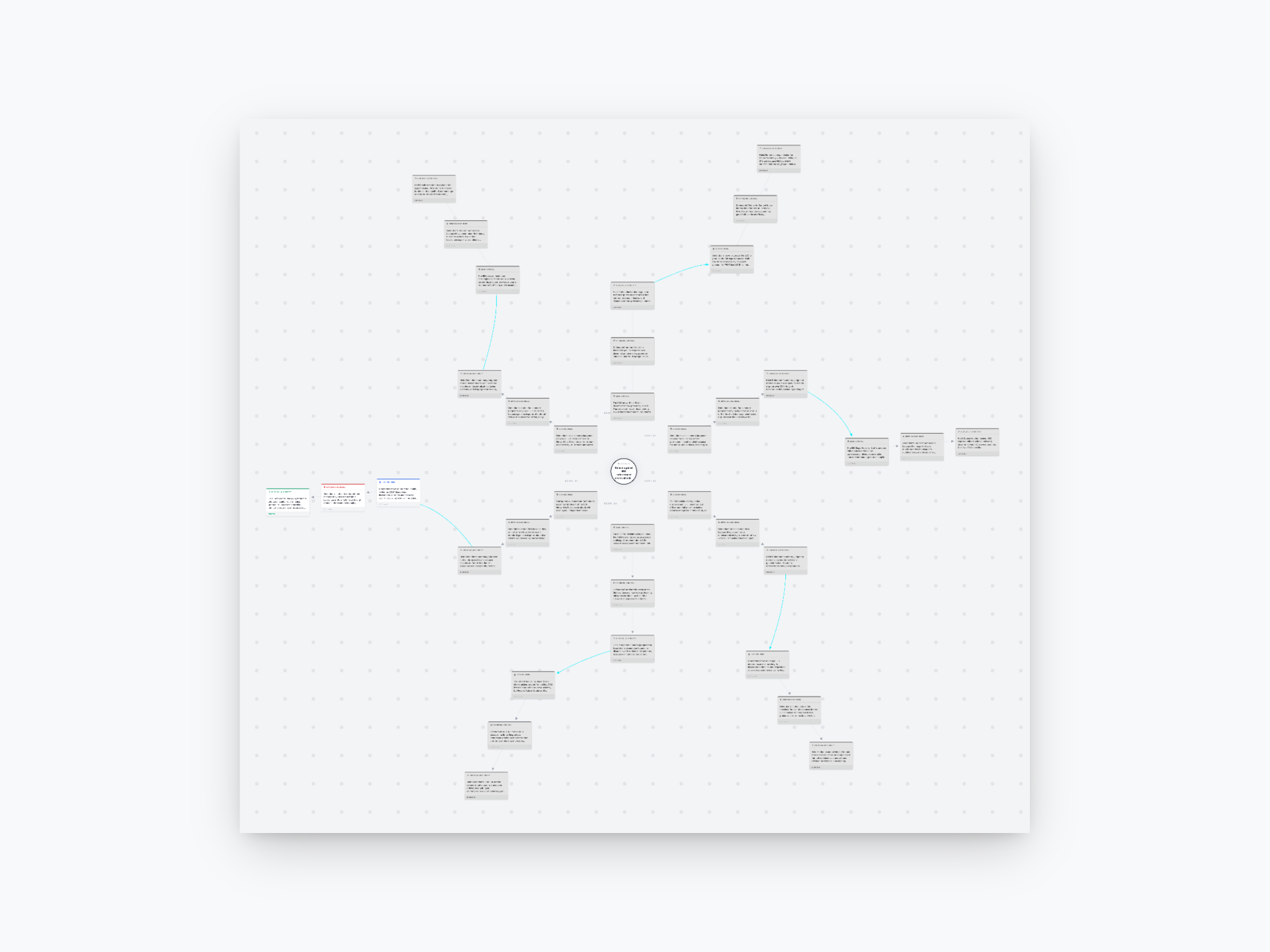
Input Transparency
What We Gave the System
- Case facts: 2021 ICO raising $150M; current token trading at 2% of ICO price; CTO email saying “we’re lying about functionality”; SEC enforcement allegations of securities fraud
- Legal objective (Orbit 1): “Defeat SEC enforcement on Howey test”
- Jurisdiction: United States District Court for the Southern District of New York / SEC Administrative Proceedings (S.D.N.Y.)
What the System Received
- Case corpus with: ICO whitepaper, marketing materials, token functionality documentation (current vs. promised), internal emails, expert reports on token utility evolution
- Standard agent protocols
- No predetermined hint that procedural bifurcation should be pursued
- No steer on which law to use
Demonstrates: The system autonomously pivoted from merits-based strategy to procedural strategy.
The Problem Structure
Static vs. Dynamic Reality conflict. The SEC views the ICO as a snapshot violation—if it was a security at sale, the violation is baked in. The defense must argue that economic reality is dynamic; a token that began as investment has evolved into a utility. This requires proof of “current sufficiency of decentralization.”
Strategic Journey (Orbit 1: Rounds 1-3, Orbit 2: Rounds 4-8)
Orbit 1 - Direct Path: Merits-Based Howey Defense
Round 1: Utility Token Reclassification
- Lead Counsel: “Token has evolved into utility. Current functionality meets SEC guidance criteria for non-securities classification.”
- Opposing Counsel highlights: “98% price crash demonstrates token has no real utility. Only investment purpose remains.”
- Judicial Authority: Loss. “Price data contradicts utility claims; appears speculative.”
Round 2: Sophisticated Investor Exception
- Lead Counsel: “ICO purchasers were sophisticated investors capable of evaluating risk; no deception about investment nature.”
- Opposing Counsel: “Whitepaper promised specific functionality never delivered; sophisticated investors were still deceived about core product claims.”
- Judicial Authority: Loss. “Sophistication doesn’t excuse misrepresentations about product functionality.”
Round 3: Safe Harbor Immunity
- Lead Counsel: “Tokens qualifies for SEC safe harbor for emerging protocols.”
- Opposing Counsel: “Safe harbor explicitly excludes tokens with no real utility or functional network.”
- Judicial Authority: Loss. “Safe harbor doesn’t apply; merits case proceeds.”
[HINT DETECTED:] In Round 2, when Lead Counsel mentioned “Whitepaper promises vs. current functionality,” Judge noted procedural implications: “These liability and remedies questions could be addressed separately.” This hint about bifurcation triggers Orbit 2.
Orbit 2 - Procedural Path: Rule 42(b) Bifurcation
Round 4: Bifurcation Motion Filed
- Lead Counsel files motion under Rule 42(b) seeking bifurcation of:
- Phase 1 (Liability): Was token a security at time of offering?
- Phase 2 (Remedies): Damages calculation, investor restitution
- Opposing Counsel: “Bifurcation is appropriate where liability and damages present distinct legal/factual issues. Here, damages prove the harm; cannot separate liability.”
- Judicial Authority: Conditional. “Why is bifurcation necessary?”
Round 5: Efficiency & Prejudice Argument
- Lead Counsel: “Phase 1 liability is pure legal/technical question about token classification. Phase 2 damages involves complex econometric analysis of counterfactual pricing. Bifurcation improves efficiency and prevents damages evidence (price crash) from prejudicing liability determination.”
- Opposing Counsel: “Price crash is relevant to scienter and damages; cannot fence it from liability phase.”
- Judicial Authority: Receptive. “Procedural efficiency argument is compelling; separating distinct legal questions from damages calculation is routine.”
Round 6: Final Argument & Approval
- Lead Counsel emphasizes: “98% price crash is probative solely of damages/investor harm magnitude, not of whether token was initially a security under Howey. Including prejudicial damages evidence in liability phase violates fairness principles.”
- Opposing Counsel: Unable to articulate compelling counter to prejudice argument.
- Judicial Authority: Win. “Motion granted. Bifurcation approved. Phase 1: Liability (technical Howey analysis) to be tried separately from Phase 2: Damages.”
The Breakthrough Insight
Rather than fighting the Howey test directly (a losing battle in the SDNY), the system identified a procedural bifurcation opportunity. By successfully moving to bifurcate liability and remedies phases under Rule 42(b), the system walled off the prejudicial “98% price crash” evidence from the technical Howey analysis.
This doesn’t win the case outright, but it transforms the settlement math by removing the SEC’s most powerful psychological weapon.
Why This Matters
Illustrates Lawgame’s understanding that procedural positioning is sometimes more valuable than substantive argumentation. By siloing evidence, the system didn’t “solve” the fraud issue but made the SEC’s expected value of continued litigation significantly lower, increasing settlement pressure.
Innovation Lab Insights
- “PSLRA Safe Harbor Judo” (Strategy 5): If the tokens are securities, the SEC must grant the defendants PSLRA protections. This creates a strategic fork—the SEC can’t win on both fronts.
- “UCC Article 2 Ontological Reframe” (Strategy 1): Reclassify the token sale as a prepaid service agreement, potentially taking the case outside the SEC’s jurisdiction entirely.
- “Wu Email as Dissent” (Strategy 3): The CTO’s “we’re lying” email becomes evidence of internal compliance rather than scienter. (The email was interpreted as internal challenge to marketing overreach, not admission of fraud.)
The Trojan Horse Strategy:
Strategy 5 demonstrates Lawgame’s “cognitive fluidity”—taking a controversial modern financial product and cloaking it in boring, established precedent. This is the “Asymmetric Edge” that wins cases before oral argument.